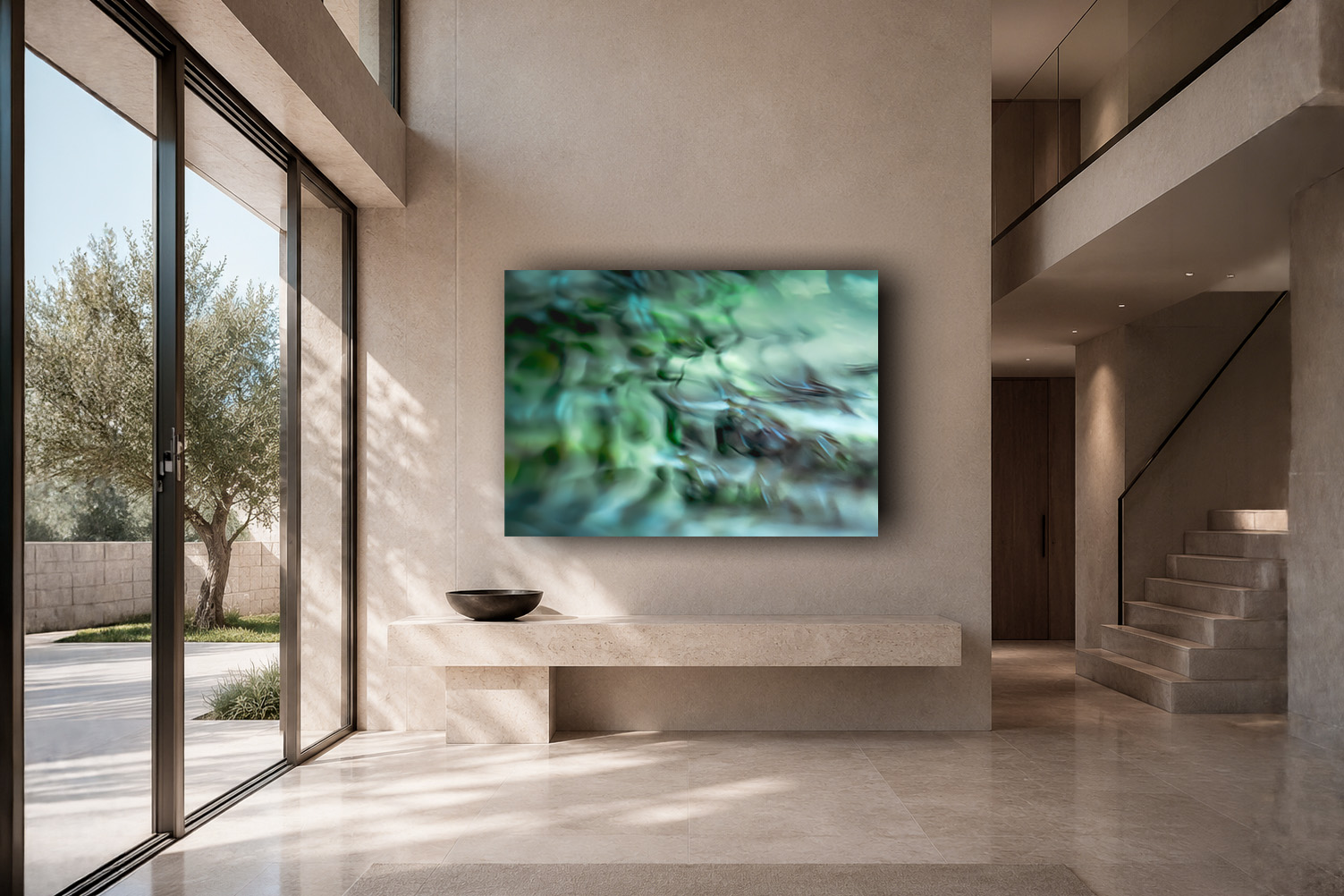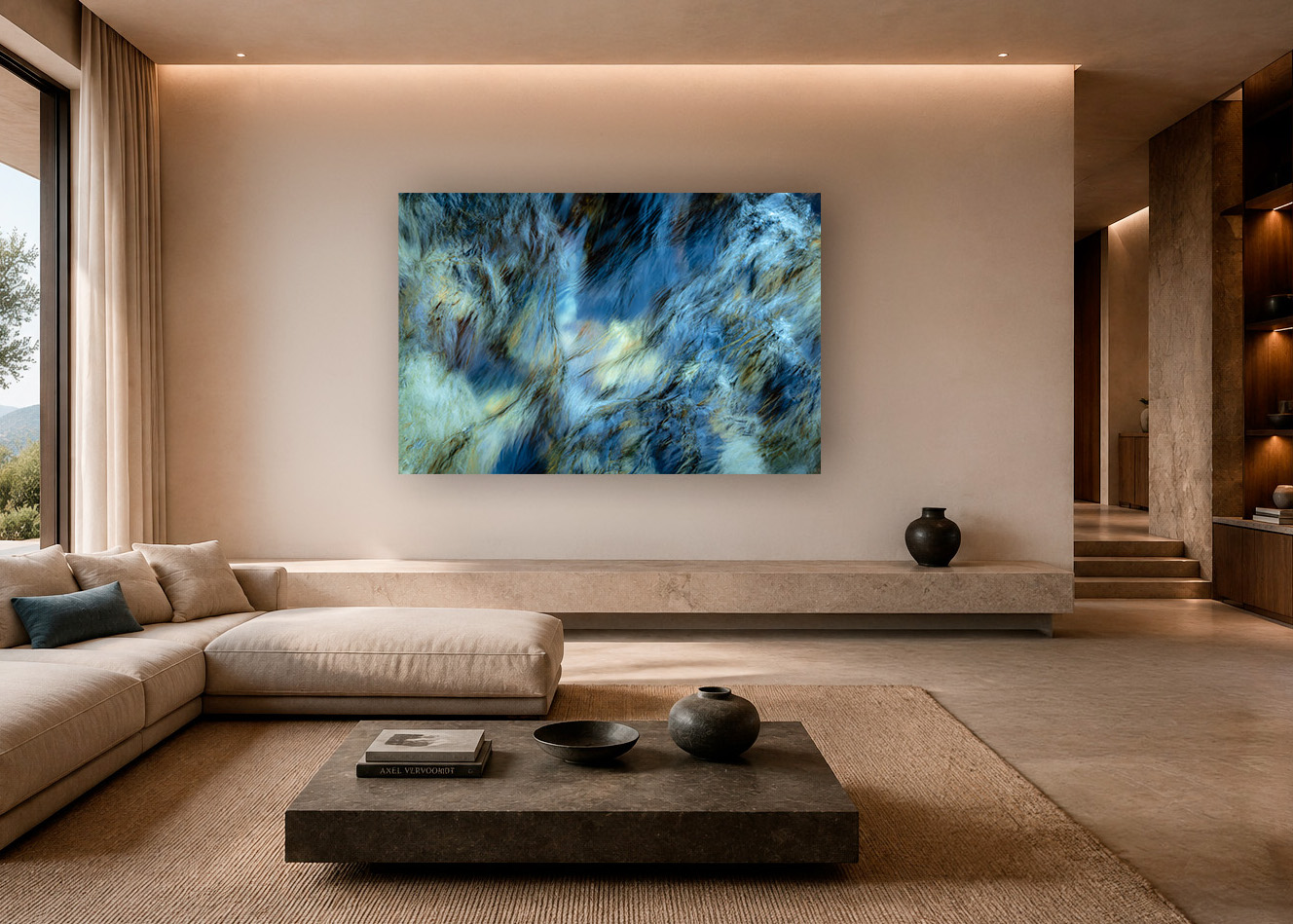
Handling fine art photography requires a delicate touch and attention to detail to ensure the preservation of the artwork. Here’s a step-by-step guide on how to handle fine art photography properly:
- Prepare Your Workspace:
Set up a clean, clutter-free workspace with adequate lighting. Ensure that the area is free from any liquids, food, or potential hazards. - Wash Your Hands:
Before touching the artwork, wash your hands thoroughly with mild soap and water. Dry them completely to avoid transferring oils or dirt to the piece of art. - Use Clean Gloves:
Wear clean, lint-free cotton gloves to prevent direct contact between your hands and the artwork. Gloves help minimize the risk of fingerprints and oils. - Handle by the Edges:
When picking up the photograph, hold it by its edges or the mounting materials. Avoid touching the image surface to prevent smudging or scratching. - Two-Handed Approach:
When lifting and moving framed photographs, use a two-handed approach: hold the sides of the frame with both hands to provide balanced support. - Mind the Frame:
When handling framed photographs, grasp the frame itself rather than the glazing to prevent smudges or damage to the glass. - Minimize Exposure to Light:
Keep the artwork away from direct sunlight and bright artificial light to prevent fading over time. - Use Archival Sleeves:
When transporting or storing unframed photographs, use acid-free, archival-quality sleeves to protect against scratches and damage.. - Return to Storage:
After handling, carefully return the photograph to its designated display area or storage location, ensuring it’s properly supported and protected.
By following these steps, you’ll be able to handle fine art photography with care and precision, safeguarding its beauty and value for years to come.